Indoor and Outdoor Kitchen Inspiration For Foodies

For passionate cooks and culinary enthusiasts, the kitchen has long since evolved beyond a purely utilitarian space for meal preparation. Today, it serves as the ultimate creative studio, social hub, and sensory sanctuary where flavors are experimented with and memories are forged over shared plates. Designing a space that truly inspires a foodie requires balancing commercial-grade functionality with inviting aesthetics, ensuring that every tool, surface, and appliance supports seamless culinary workflows. Whether you are perfecting a delicate French pastry or slow-roasting a weekend feast, the right environment elevates cooking from a daily chore into an art form.
Expanding that culinary vision beyond the four walls of your home opens up an entirely new realm of gastronomic possibilities. Blending interior comfort with exterior versatility allows hosts to take advantage of seasonal ingredients, open-flame cooking, and al fresco dining without sacrificing convenience. By thoughtfully curating both your indoor workspace and your backyard entertaining zones, you can create a cohesive, resort-style culinary retreat that delights the senses year-round.
Designing the Ultimate Culinary Workflow
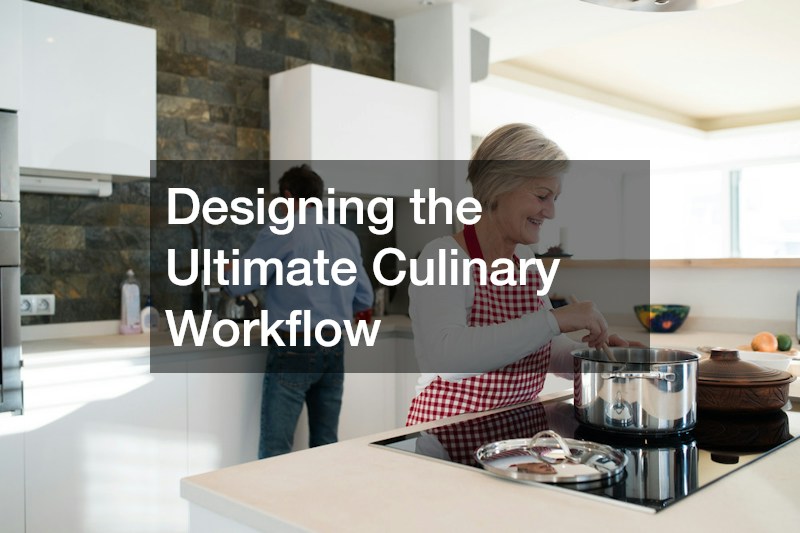
Creating a kitchen that inspires creativity begins with an intuitive layout that minimizes unnecessary movement while maximizing preparation space. Serious home cooks often gravitate toward expansive central islands featuring durable, heat-resistant countertops like quartz or butcher block, which provide ample room for rolling dough, chopping fresh produce, and plating multi-course meals. Integrating deep, dual-basin sinks and strategically placed prep stations ensures that multiple chefs can work side by side without stepping on each other’s toes during elaborate dinner parties.
Lighting and storage play equally vital roles in maintaining an effortless rhythm while cooking. Layered illumination—combining bright, shadow-free task lighting under cabinets with warm pendant fixtures overhead—allows you to accurately judge the color of searing meats and simmering sauces. Custom pull-out spice racks, deep pot drawers, and dedicated appliance garages keep countertops free of clutter, ensuring that your favorite stand mixer or sous-vide precision cooker is always within easy reach yet neatly tucked away when guests arrive.
Flooring choices also contribute significantly to the daily comfort and practicality of an active cooking environment. Cork, natural linoleum, or cushioned anti-fatigue mats placed in high-traffic prep zones ease joint strain during long afternoon cooking sessions while absorbing clatter from dropped utensils. Pairing these supportive surfaces with durable cabinetry finishes ensures your workspace remains both ergonomic and resilient through years of enthusiastic culinary experimentation.
Elevating Interior Comfort and Dining Aesthetics
A truly memorable dining experience extends well beyond the flavors on the plate; the surrounding atmosphere sets the stage for relaxed conversation and lingering enjoyment. Open-concept kitchens that flow seamlessly into adjacent dining and lounge areas encourage guests to mingle with the host while final garnishes are applied. Incorporating warm wood tones, textured backsplashes, and acoustic-softening textiles transforms a sleek, modern cooking zone into an inviting haven where friends feel immediately at home.
To make extended dinner parties as comfortable as they are stylish, many homeowners are investing in custom seating solutions tailored to their exact spatial dimensions. Integrating bespoke upholstered furniture—such as plush, stain-resistant banquette seating along a sunny breakfast nook or tailored velvet dining chairs—adds a layer of sophisticated luxury that invites guests to stay for dessert and espresso. Choosing performance fabrics in rich, appetizing hues ensures that accidental wine spills or sauce splatters can be easily wiped away without compromising on elegance.
Maintaining Peak Performance and Air Quality
Heavy-duty cooking techniques like high-heat searing, wok stir-frying, and pan-roasting generate substantial amounts of smoke, steam, and airborne grease. Investing in a commercial-style range hood with high airflow capacity is essential for keeping your indoor air crisp and preventing lingering cooking odors from settling into surrounding fabrics. A properly vented system not only protects your respiratory comfort while you work over hot burners, but also preserves the pristine finish of your cabinetry and walls over time.
Even the most powerful ventilation system requires diligent upkeep to operate safely and efficiently. Scheduling periodic hood and exhaust cleaning removes built-up grease deposits from ductwork, fans, and filters, dramatically reducing fire hazards while restoring optimal suction power. Professional maintenance ensures your ventilation setup remains whisper-quiet and effective, allowing you to focus entirely on perfecting your culinary creations without worrying about smoke alarms interrupting your dinner party.
Baffle filters and external makeup-air dampers also deserve regular inspection so your kitchen maintains balanced indoor pressure without creating drafts. When your exhaust system breathes freely, spices stay fragrant in the pan rather than lingering on curtains or upholstery the following morning. Reliable air circulation makes back-to-back weekend cooking sessions feel clean, refreshed, and effortless.

The Foundation of Pure Flavor and Hydration
Experienced chefs know that the quality of your ingredients dictates the success of any dish, yet water—the most frequently used ingredient in the kitchen—is often overlooked. From boiling artisanal pasta and steaming delicate vegetables to brewing pour-over coffee and making crystal-clear cocktail ice, mineral impurities and chlorine can subtly dull flavors and alter textures. Installing a dedicated filtration system directly at the kitchen sink ensures that every drop used in your recipes is crisp, clean, and neutral-tasting.
Beyond enhancing the taste of your food and beverages, comprehensive water treatment protects your high-end kitchen investments from damaging limescale and sediment buildup. Appliances like plumbed-in espresso machines, steam ovens, and commercial ice makers perform more reliably and last significantly longer when supplied with purified water. With balanced mineral content, your glassware emerges from the dishwasher sparkling and spot-free, ready for your next wine tasting or celebratory toast.
Custom Metalwork and Artisanal Details
Adding personalized architectural accents is one of the most effective ways to give a gourmet kitchen a distinct, custom-crafted identity. Metal elements—such as brushed brass range hoods, blackened steel shelving brackets, and intricate cabinet grilles—introduce rich visual contrast against natural stone and warm cabinetry. These bespoke details reflect a commitment to craftsmanship that mirrors the care and precision a dedicated foodie puts into every homemade meal.
Modern fabrication techniques allow homeowners to bring remarkably intricate designs into both indoor and outdoor culinary spaces. Precision laser cutting enables artisans to craft custom decorative metal screens, ornate pot racks, and personalized monogrammed backsplashes with razor-sharp accuracy. Whether used to create ventilated pantry doors or custom steel fire pit inserts for the patio, this technology delivers clean lines and durable, one-of-a-kind focal points that elevate the entire aesthetic of your home.
Setting the Table with Natural Elegance
When hosting a special meal, thoughtful table styling transforms a simple dinner into an unforgettable occasion. Visual presentation primes the palate before the first bite is even taken, and incorporating organic elements brings life, color, and seasonal context to your dining room or patio table. Low-profile centerpieces ensure that guests can easily make eye contact and pass sharing platters across the table without navigating around tall obstructions.
Partnering with a local floral delivery service makes it effortless to dress your dining space with fresh, seasonal blooms and fragrant greenery right before guests arrive. Florists can curate arrangements featuring culinary herbs like rosemary, sage, and eucalyptus alongside vibrant blossoms that complement your menu’s theme. Having fresh botanicals brought straight to your doorstep saves valuable prep time on the day of an event while infusing your home with natural beauty and subtle, uplifting scents.
Matching ceramic vessels, linen runners, and candlelight to those seasonal stems ties the visual story together without crowding place settings. Even a modest gathering feels curated and intentional when fresh foliage echoes the flavors served on each course. It turns a routine weeknight supper or milestone celebration into a multi-sensory ritual.
Expanding the Culinary Footprint Outdoors
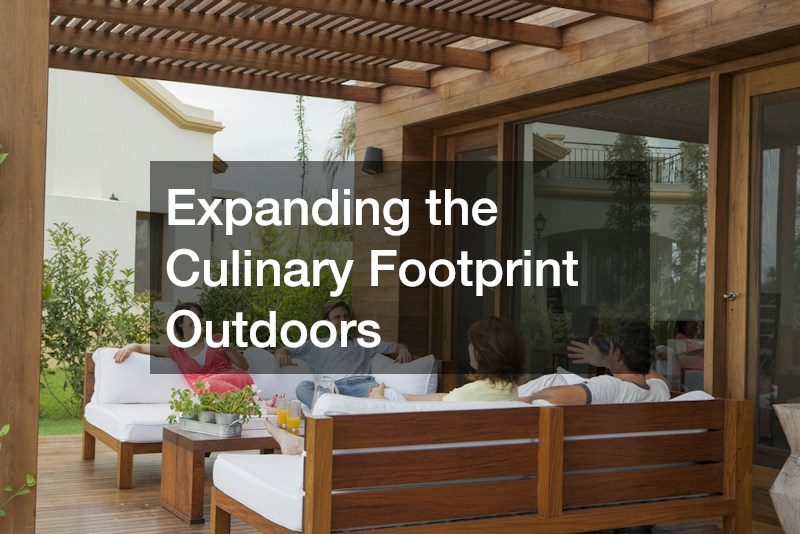
Stepping outside to cook taps into a primal, joyful style of gastronomy that indoor stoves simply cannot replicate. Modern backyard kitchens have evolved far beyond a standalone charcoal grill, now boasting built-in gas rotisseries, wood-fired pizza ovens, outdoor refrigerators, and weatherproof prep sinks. Designing an exterior cooking zone allows hosts to stay immersed in the party atmosphere, chatting with guests poolside while tending to sizzling skewers or blistering Neapolitan pizzas.
Embracing outdoor living transforms your backyard into a functional extension of your home’s square footage, doubling your capacity for entertaining during pleasant weather. By equipping your patio with task lighting, durable stone countertops, and ample storage for grilling tools and platters, you eliminate endless trips back and forth into the house. This seamless indoor-outdoor flow encourages spontaneous weeknight cookouts and effortless weekend gatherings under the open sky.
Building a Sturdy Stage for Backyard Feasts
A well-designed outdoor kitchen requires a level, durable, and visually appealing foundation capable of supporting heavy appliances and high foot traffic. Elevated patios and multi-level entertaining areas create natural transitions from the indoor kitchen out into the yard, offering clear sightlines and defined zones for cooking, dining, and lounging. Selecting low-maintenance materials ensures you spend your weekends enjoying your space rather than sanding, staining, or repairing weathered boards.
Collaborating with a local composite deck builder allows you to design a custom platform engineered to withstand moisture, intense sunlight, and accidental food spills without warping or splintering. Composite decking offers the rich, warm appearance of natural hardwood while resisting stains from dropped berries, red wine, or barbecue marinades. An experienced builder can also integrate hidden structural reinforcement beneath the boards to safely support heavy masonry islands, smokers, and large dining tables.
Framing Your Exterior Dining Sanctuary
The surrounding landscape plays a crucial role in making an outdoor dining area feel like a private, tranquil retreat rather than an exposed backyard slab. Thoughtfully placed plantings, ornamental grasses, and raised kitchen herb gardens soften hardscape edges while providing fresh basil, mint, and thyme just steps away from the grill. Framing your patio with lush greenery creates a sense of enclosure and intimacy that enhances the overall dining experience.
Refreshing your garden beds with high-quality landscape mulch provides an immediate visual upgrade while supporting the health of your culinary herbs and ornamental plants. A fresh layer of dark, organic mulch creates crisp, clean borders around stone patios and walkways, retains essential soil moisture during warm summer months, and suppresses unsightly weeds. Incorporating this simple finishing touch ensures the botanical backdrop of your outdoor kitchen looks manicured and vibrant for every garden party.
Enjoying All-Weather Al Fresco Dining
One of the greatest challenges of outdoor entertaining is dealing with unpredictable weather, intense afternoon glare, or pesky evening insects. Foodies who love dining outside often find their plans interrupted by sudden summer showers or mosquitoes drawn to the aromas of dinner. Creating a transitional space that bridges the gap between completely open air and fully enclosed interiors solves these frustrations while preserving the breezy charm of the outdoors.
Adding a custom screen room to your patio or deck lets you enjoy fresh air, natural light, and backyard views without battling bugs or harsh wind. Equipped with overhead ceiling fans, recessed lighting, and space for a large dining table, this sheltered oasis allows you to host comfortable outdoor brunches and candlelit dinners from early spring through late autumn. It protects both your guests and your carefully plated dishes, ensuring nature enhances the meal rather than disrupting it.
Creating Architectural Shade and Structure
For open-air patios and poolside grilling stations, defining the overhead space adds architectural grandeur and vital protection from the midday sun. Overhead structures anchor an outdoor kitchen visually, making it feel like an intentional, cohesive room rather than a collection of scattered patio furniture. They also provide convenient mounting points for string lights, hanging planters, outdoor heaters, and motorized shade canopies that adapt to changing conditions throughout the day.
Sourcing materials through a wholesale pergola supplier gives homeowners and contractors access to durable, architectural-grade structures crafted from rot-resistant cedar, sleek powder-coated aluminum, or low-maintenance vinyl. Whether you prefer a traditional open-rafter design that filters sunlight or a modern louvered roof system that closes tight against rain, a well-proportioned pergola adds instant sophistication. It creates an inviting focal point that naturally draws guests toward the heart of your outdoor culinary zone.

Mastering the Art of Seamless Hosting
The true magic of combining indoor and outdoor culinary spaces lies in the effortless rhythm it brings to entertaining. When both environments are thoughtfully equipped and visually connected, you can prep cold appetizers and delicate pastries inside your climate-controlled kitchen before transitioning smoothly outside to sear entrees over live fire. Sliding glass walls, pass-through windows, and coordinated color palettes unify the two zones, allowing conversation and platters to flow freely between them.
Ultimately, designing a kitchen tailored to your culinary passions is an investment in connection, creativity, and everyday joy. By prioritizing smart ergonomics, reliable ventilation, pure water, and inviting indoor-outdoor transitions, you build more than just a place to cook—you create a welcoming stage where great food and great company naturally come together. Every detail, from comfortable seating to sheltered patio dining, works in harmony to make every meal feel like a celebration.

Related Posts

How to Plan and Design Your Ultimate Dream Kitchen

How Is Ceviche Prepared?